-scaled-1.png )

Medical Cables — Beyond Standard, Built for Your Device
In medical applications, cables do more than carry current. They are the link between power and performance — responsible for the stable, reliable transmission of electrical signals from source to device.
Standard healthcare wiring typically uses high-conductivity metals in solid, stranded, or tinsel form. That works — for average performance.
But average isn’t what medical devices need.
We don’t promote “high speed” or “ultra HD” as features — because those are baseline expectations in medical environments. What truly matters is how well the cable performs within your specific system.
We focus on what makes a real difference:
Better shielding — for signal integrity in noise-sensitive environments
Faster transmission — without compromising reliability
Greater durability — for repeated use, sterilization, and long service life
Our goal isn’t to meet industry averages. It’s to help your device perform at its best — beyond what off-the-shelf solutions can offer.
Because in medical applications, the difference between “adequate” and “optimal” can be critical.
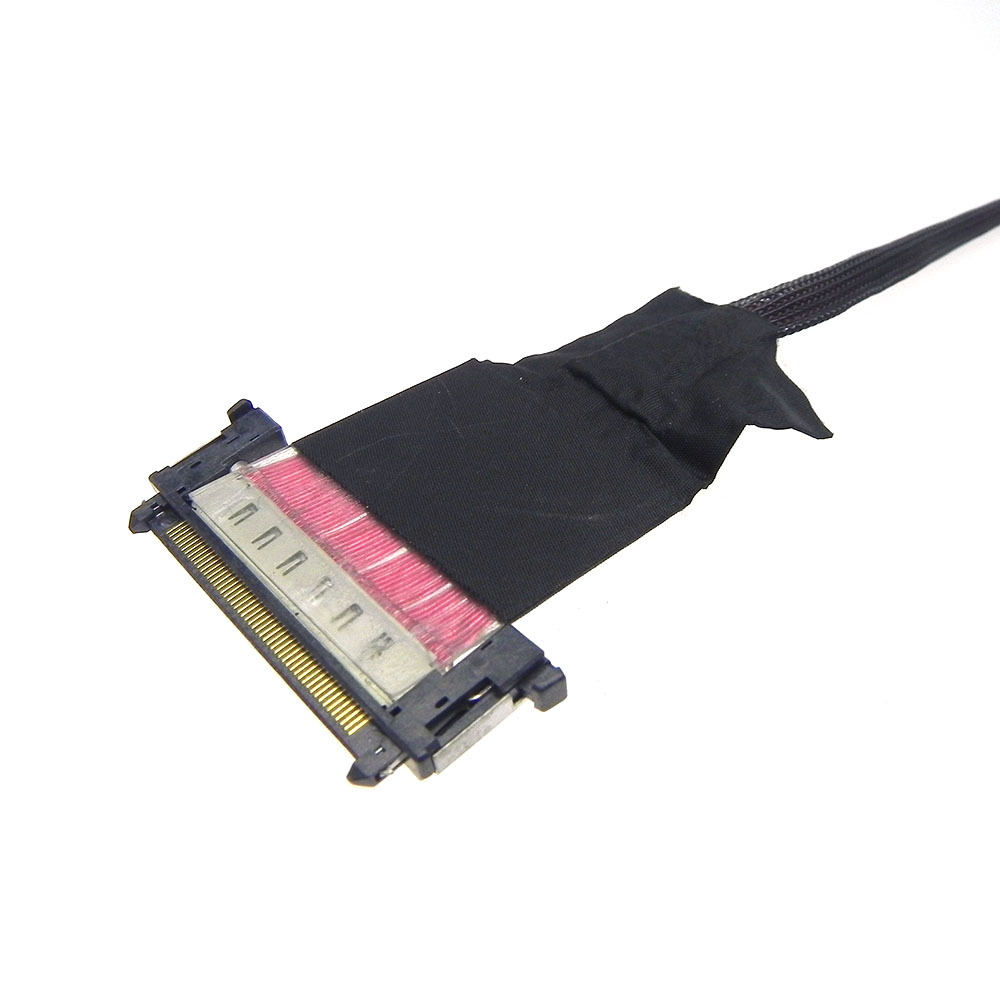
Aviation-grade medical LVDS (display) cable:
ecommended Product 1: Aerospace-Grade Custom Medical Cable
Medical equipment requirements speak for themselves. Precision. Stability. Long-term reliability. These are not adjectives — they are the baseline.
We don’t use fancy words to dress up our products, nor do we repeat basic concepts that everyone already knows. Because for medical devices, surface-level engineering is never enough. What truly matters is built-in quality that stands the test of time.
In medical applications where failure is not an option — and where equipment must perform reliably for years — the choice of connector is critical. Most standard connectors on the market are designed to work. But “work” is not the same as “work reliably under demanding conditions.”
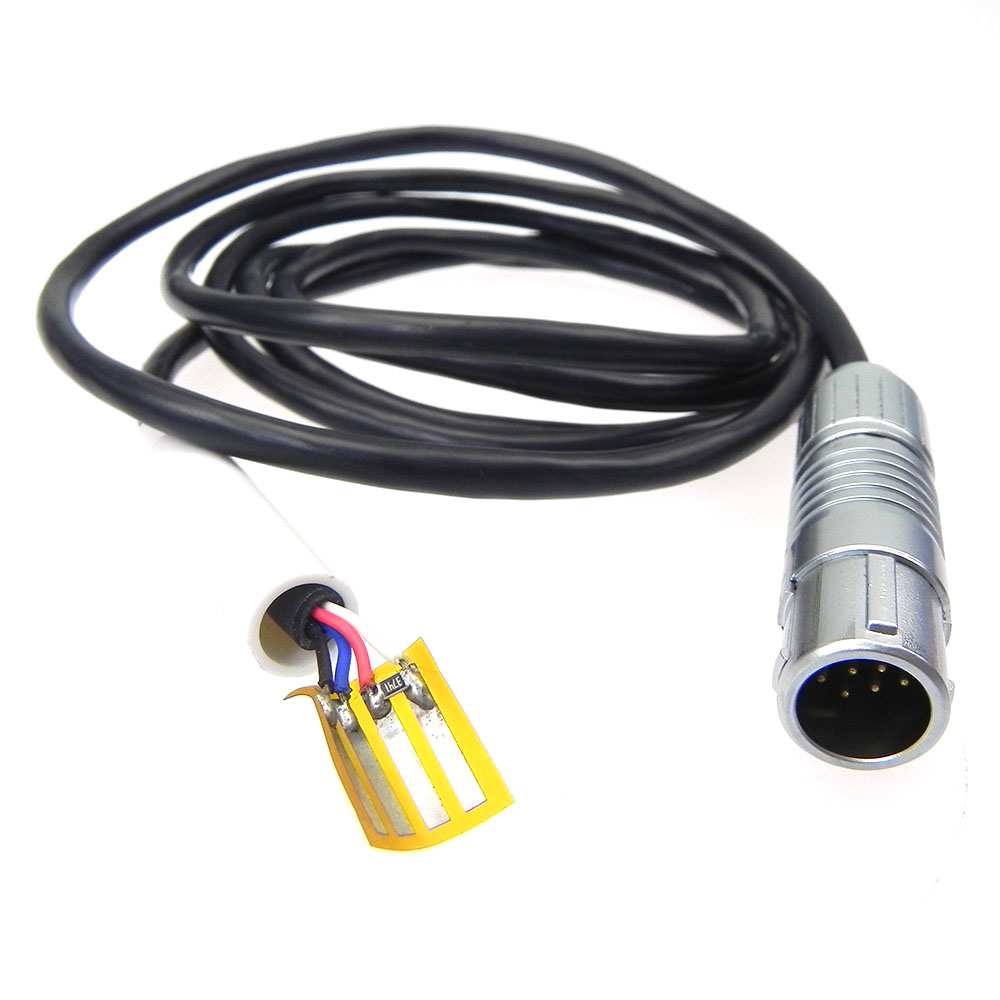
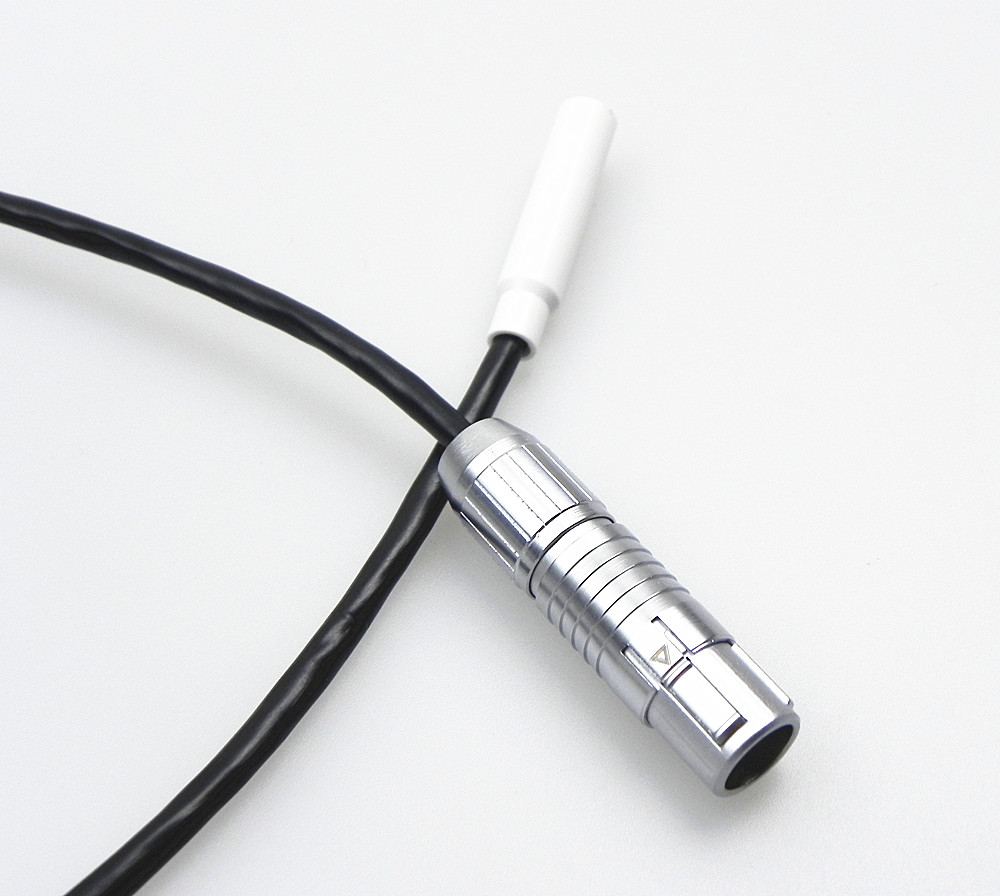
We offer an exclusive connector — an aerospace-grade custom plug, currently available only through our company.
This connector was originally developed for a medical device manufacturer with specific, demanding requirements. Its exceptional noise immunity and long-term reliability have made it one of our core recommended solutions for high-end medical applications.
It is not a “generic part.” It is a dedicated connection solution — engineered for critical medical environments. Resistant to interference. Reliable under stress. Built to help your device perform at its best over years of use.
This is not an “upgrade option.” It is the level of assurance your medical device should have from the start.
Product 2: Custom Shielded Medical Cables
The electromagnetic environment around medical equipment is often more complex than it appears. A patient monitor may sit next to high-frequency surgical tools. An ultrasound room may share space with wireless communication devices. Every machine in an ICU is transmitting and receiving signals.
In these scenarios, cables are not just signal pathways — they can also become entry points for interference.
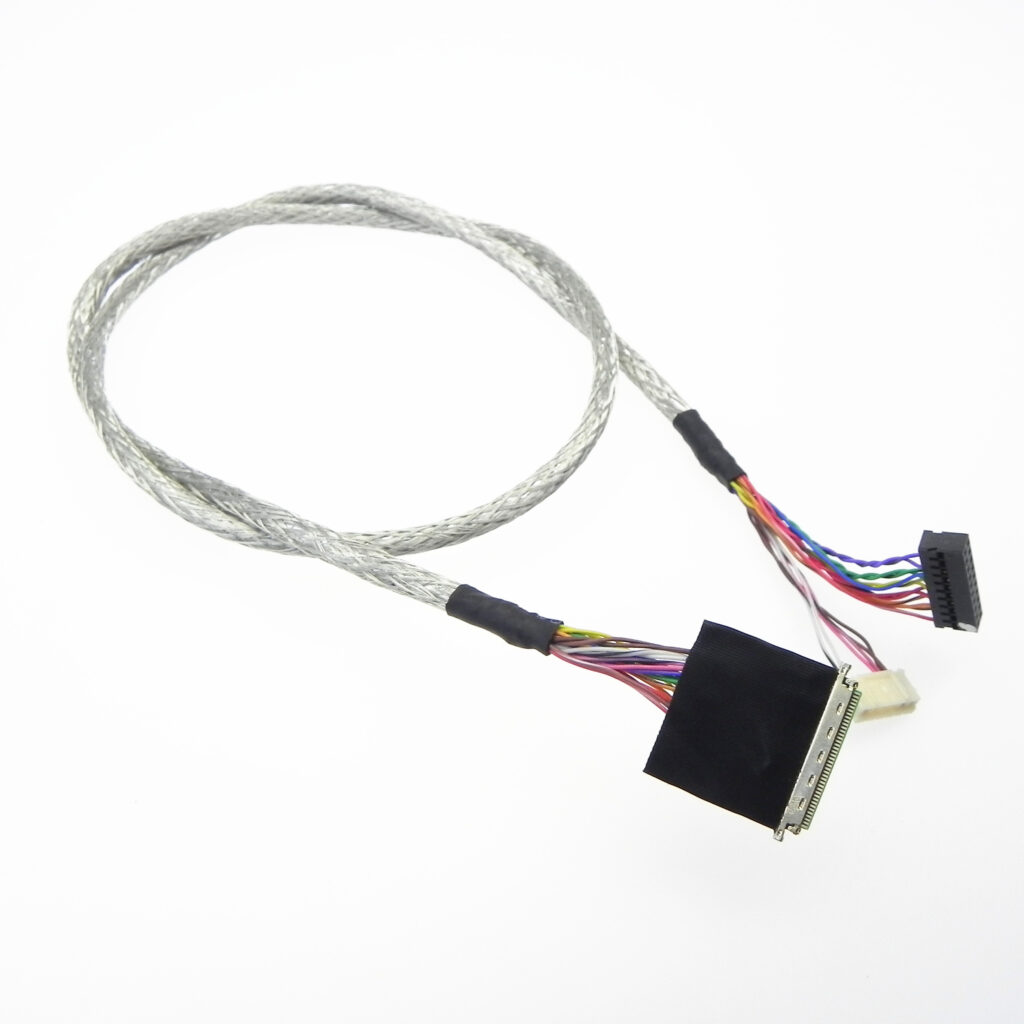
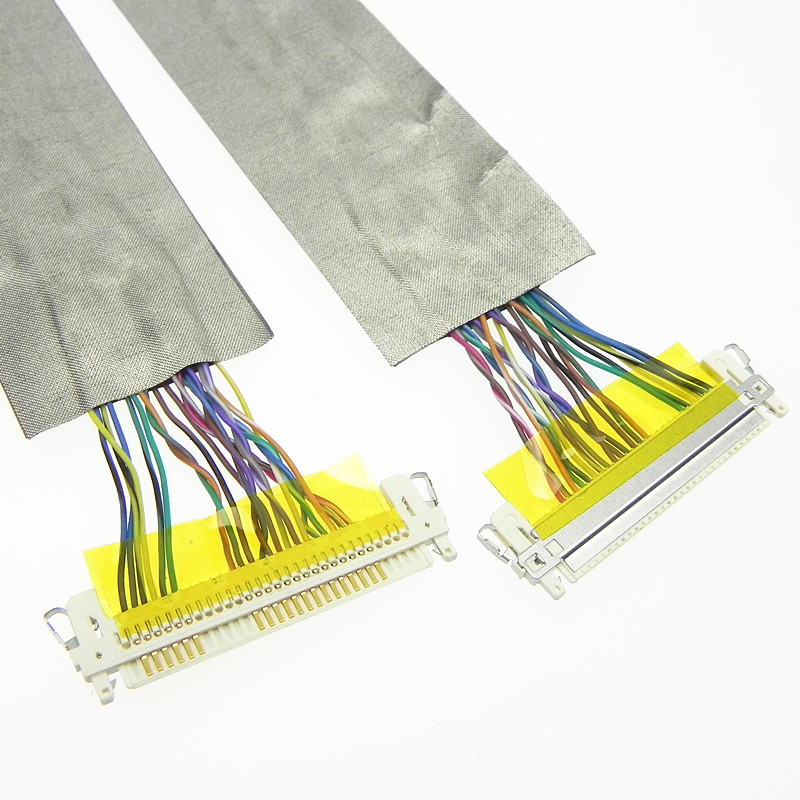
We offer a full range of shielding solutions — shielding tape, aluminum foil shielding, braided shielding, combination shielding, and custom hybrid structures as required.
Each shielding material has its ideal use case. Aluminum foil shielding excels against high-frequency interference. Braided shielding performs well at lower frequencies and provides superior physical protection. Shielding tape offers localized shielding and structural reinforcement in specific areas. Our goal is not to recommend the “most expensive” option — but to match the most appropriate shielding solution to your device’s operating environment, signal type, and interference sources.
Better shielding is not about being thicker — it’s about being more precise.
We don’t offer a one-size-fits-all shielding standard, because every device has different interference sources, routing constraints, and frequency requirements. Our engineering team analyzes your specific application, recommends the most suitable shielding structure, and validates it through prototyping.
Let signals go where they should — and keep out what shouldn’t be there.
Product 3: High-End Medical Cables Compatible with Major Brand Connectors
The choice of connector often determines the stability and service life of the entire system.
Major brand connectors are widely adopted — not just because of brand reputation, but because they are proven in mating cycle life, contact impedance consistency, and environmental durability. They deliver predictable performance.
But the challenge we often see is this: many medical device manufacturers want to use these connectors, yet struggle to find cables that match their performance.
Connectors are standard. Cables are not.
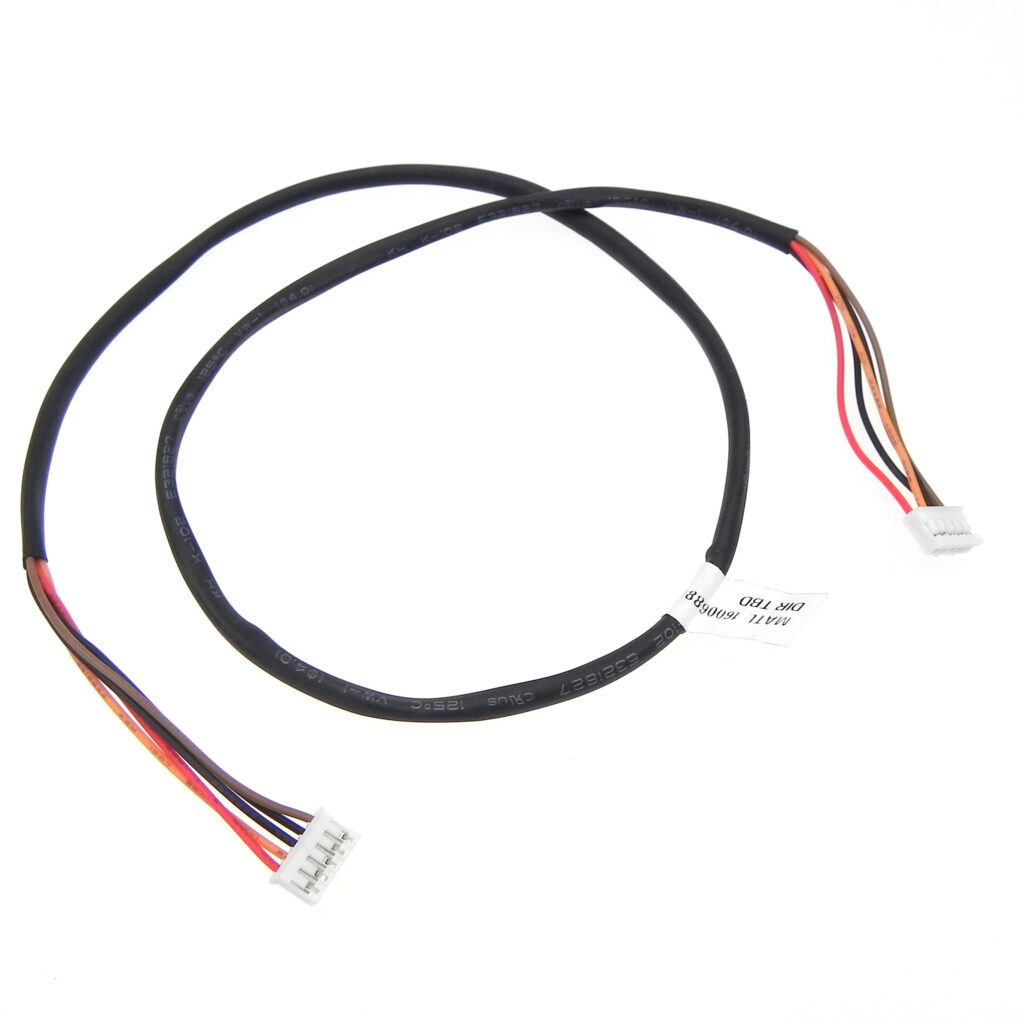
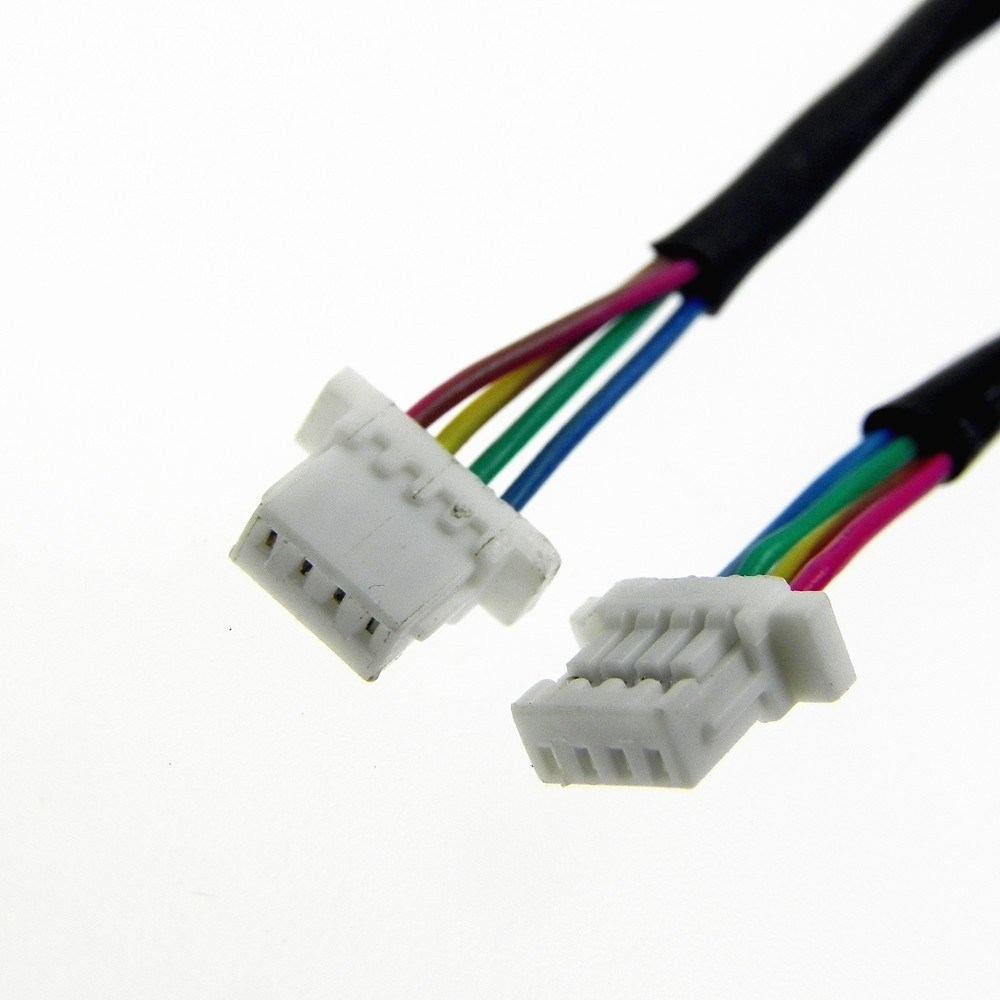
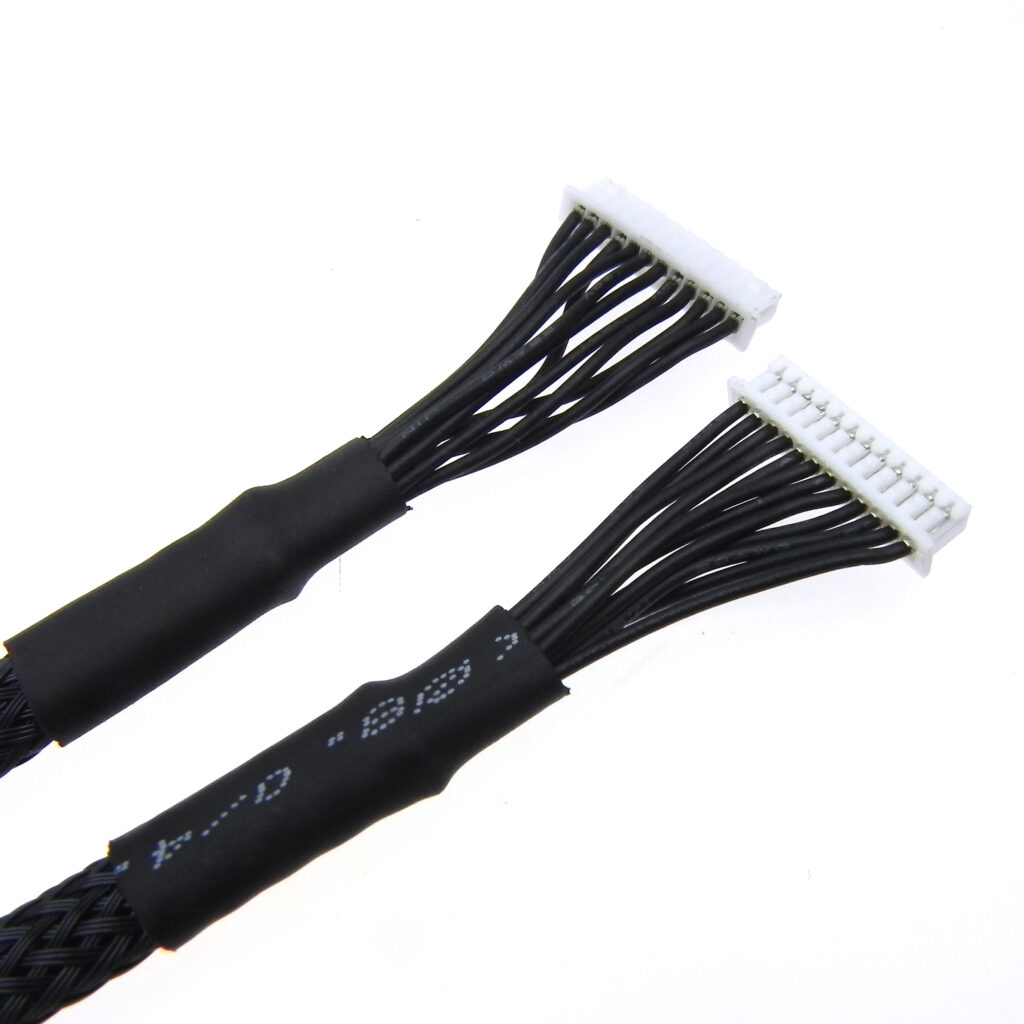
We offer cable solutions compatible with leading connector brands — including TE, Molex, Hirose, JST, Amphenol, Samtec, and more. We don’t just “fit” the connector. We ensure that the cable’s electrical characteristics, shielding effectiveness, and mechanical strength are matched to the connector’s rated specifications.
Simply put: as reliable as your connector — as reliable as your cable.
This is not about making a medical cable that fits. It is about restoring the connector’s full performance.
We understand the specifications of these branded connectors and their real-world behavior in medical devices. That is why we never pair a high-quality connector with a “close enough” cable.
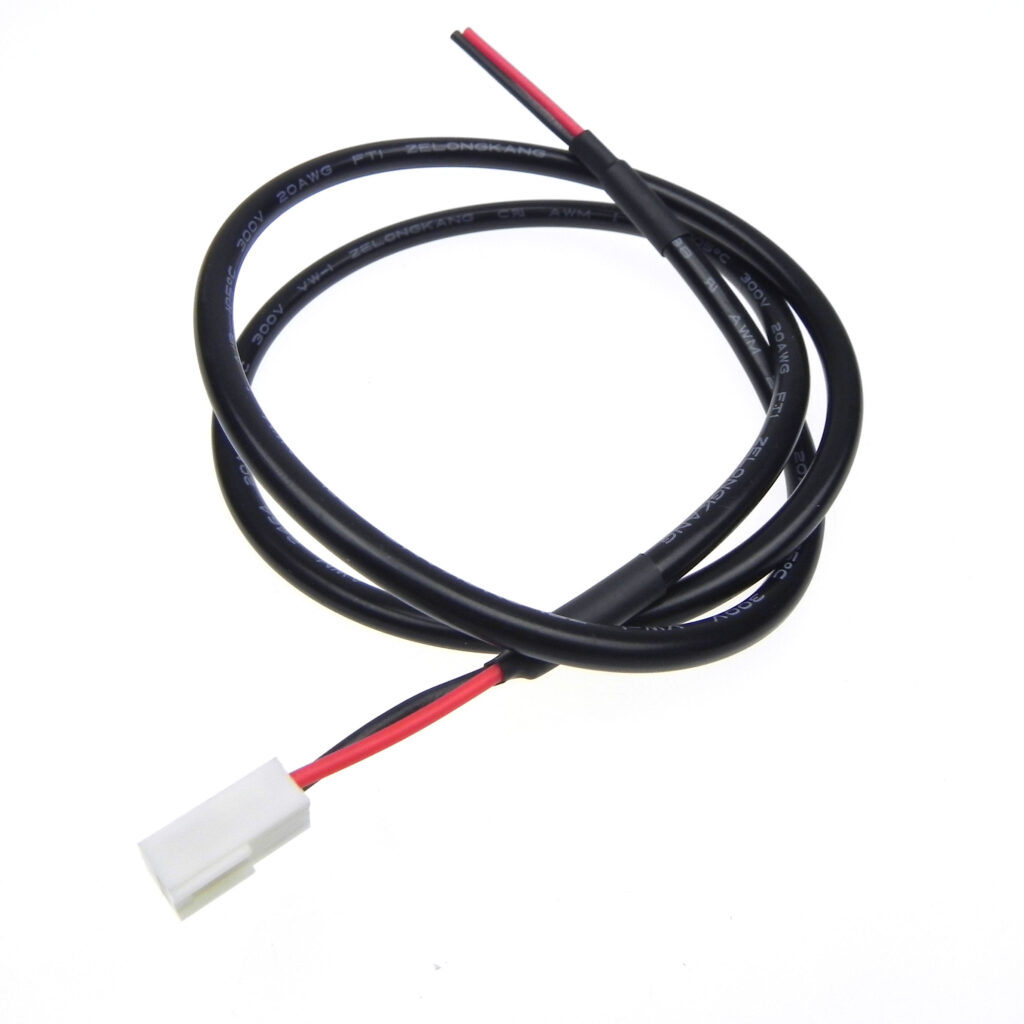
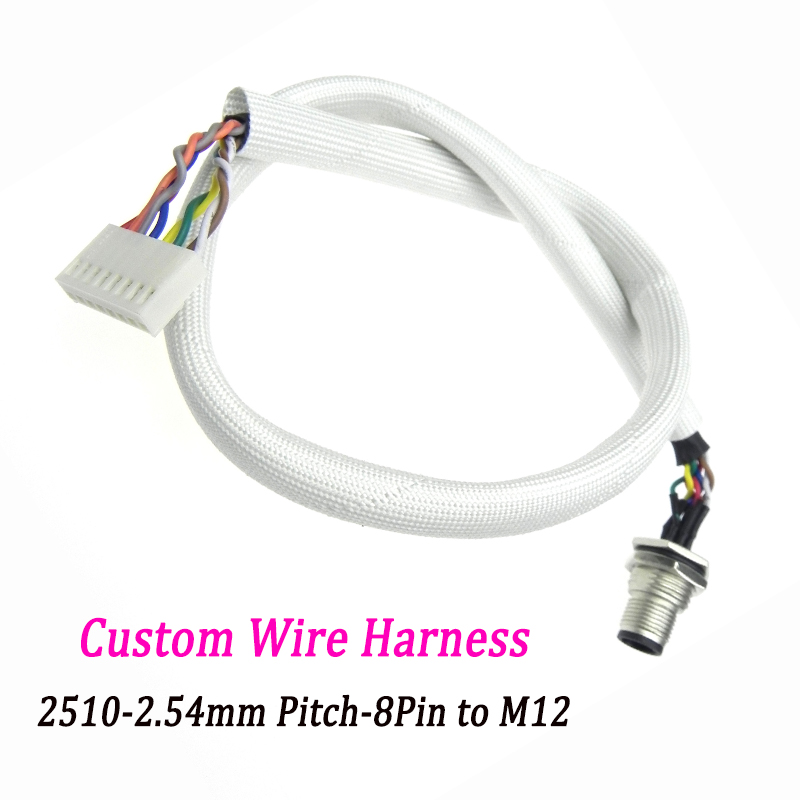
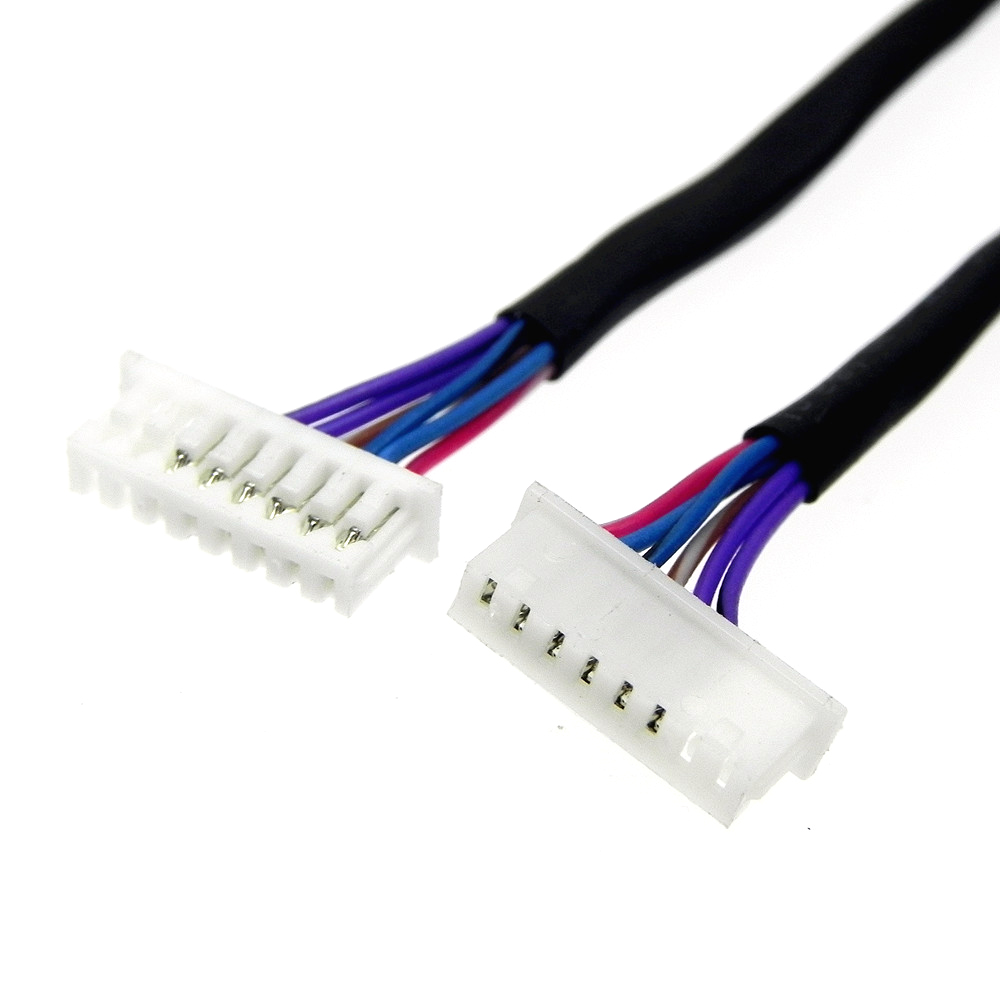
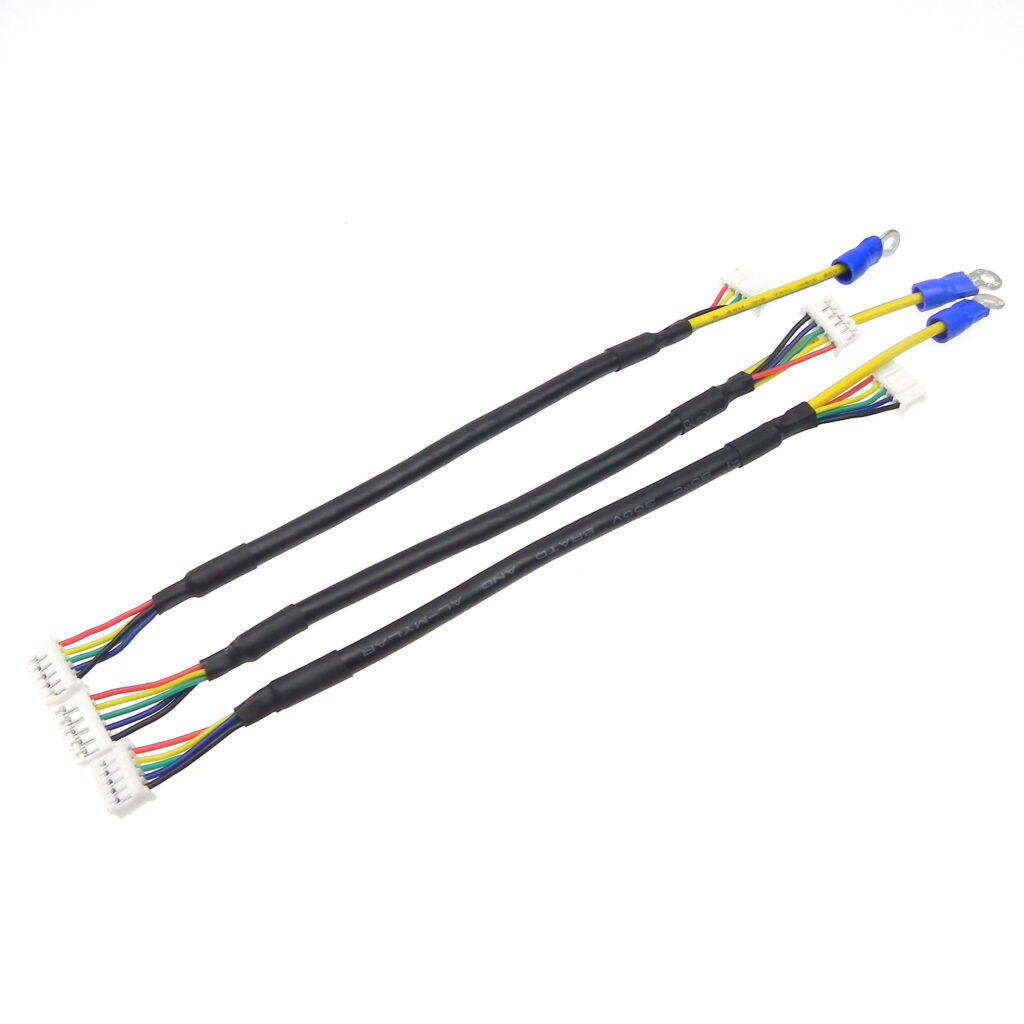
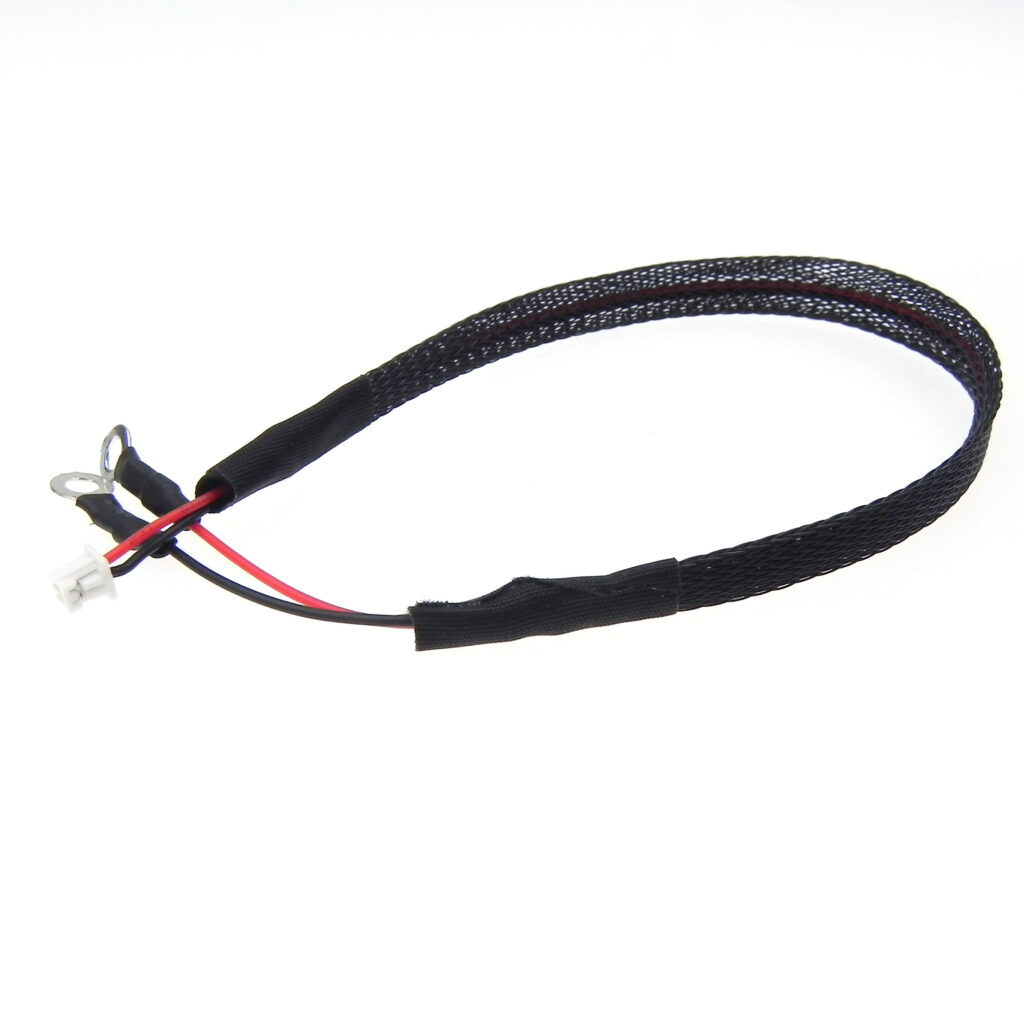
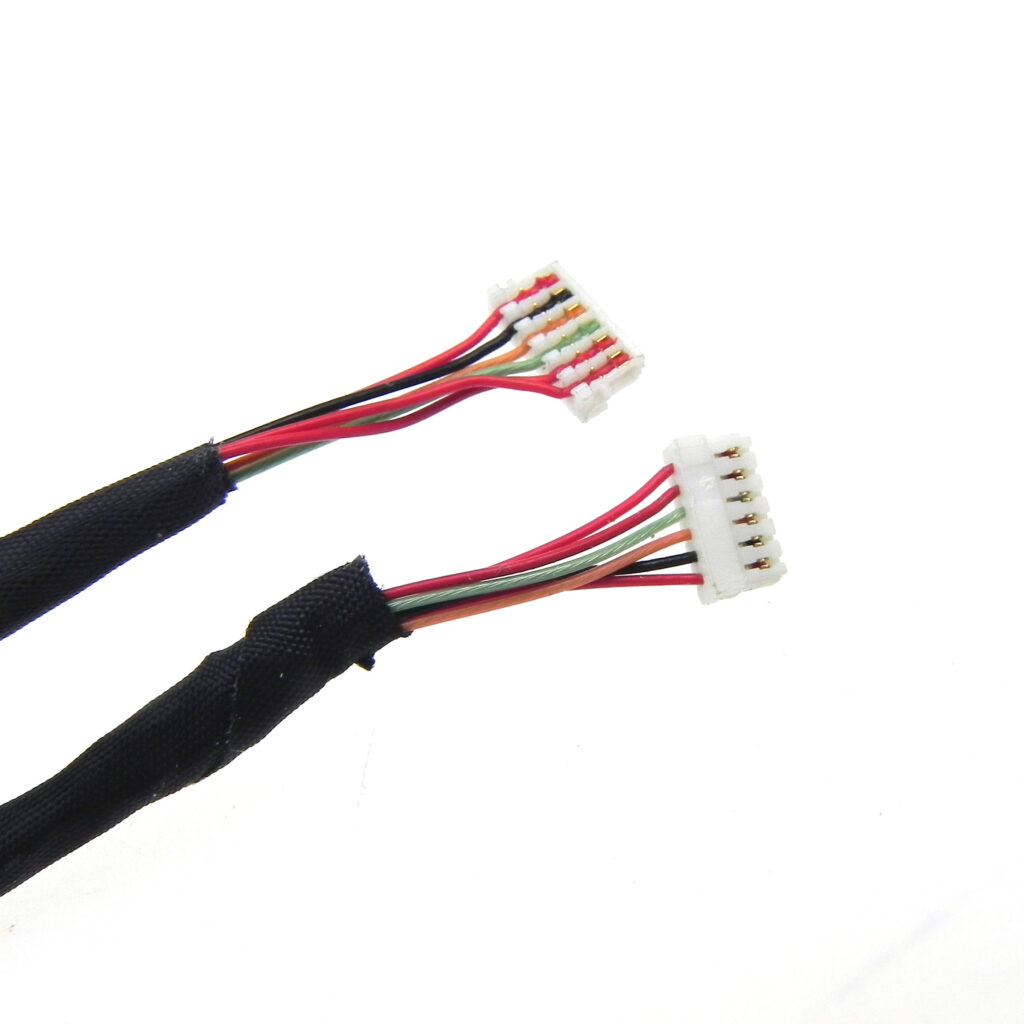
example pictures (not all connecter):
| Compatible brand | Series / Model | Application Area (Medical Related) | Key Features |
|---|---|---|---|
| JAE (Japan Aviation Electronics) | MX19 Series | Compact waterproof wire-to-wire connection for sensors or control units | 2.5mm pitch, waterproof, rated current 5A |
| MX23A Series | ECU / powertrain systems, wire-to-board connection | 2.5mm pitch, waterproof, operating temperature -40~125°C | |
| MX34 Series | EV / battery management systems | 2.2mm pitch, lightweight design, suitable for high-density mounting | |
| MX47 Series | Sensor / actuator connections | 2.0mm pitch, compact waterproof automotive connector | |
| MX60A Series | ECU / powertrain, high-pin-count waterproof connection | High-pin-count waterproof connector, designed for harsh environments like engine compartments | |
| MX72A / MX72B Series | Airbag squib connector | AK2 standard compatible interface, used for automotive airbag systems | |
| MX74 Series | Automotive Ethernet communication (1000BASE-T1) | Automotive Ethernet communication | |
| KEL | USL20-30SS-010-C | Drones, robotics, medical devices, aerospace | 0.4mm pitch, 30-pin micro coaxial connector, IDC connection, metal shielded housing |
| RAYMO | RM-PAG-M0-2GLAC52GZ | Medical devices, industrial equipment | Circular push-pull plastic connector, 2-pin, IP50 rating |
| RM-PAG-M0-4GL-AC** | Medical devices, industrial equipment | Circular push-pull plastic connector, 4-pin, compatible with LEMO and similar brands |
Product 4: ECG Lead / Patient Monitor Cables — Signal Fidelity Starts Here
For ECG leads and patient monitors, signal fidelity is everything. These cables carry millivolt-level signals that must remain clean and stable — any noise can directly affect diagnosis.
We build ECG cables with precision conductor materials — tinned copper, alloy copper, or carbon-loaded conductors (invisible under X-ray for interventional procedures). Insulation options include medical-grade elastomers, TPU, and PVC. Semi-conductive PVC, braided copper, and aluminum foil shielding are available to protect against environmental noise.
We don’t use a single formula for all ECG cables. Skin contact, lead length, and interference environment vary across applications. We match the cable structure to your patient monitoring system.
Patient Monitoring Cable Models — Examples
| Cable Type | Brand / Series | Example Model | Description |
|---|---|---|---|
| ECG Lead Wire / Trunk Cable | MedLinket Series | EJD040P5I | Disposable ECG lead wire, IEC 5-lead, with clip electrodes |
| ECG Trunk Cable | Datascope / Interlight | 115-004871-00 | Replacement ECG telemetry lead cable for Datascope monitors |
| ECG Trunk Cable | GE Datex-Ohmeda | GE Datex-Ohmeda (IEC) 10 Pin to 3 Lead Fixed ECG Cable — Grabber | Fixed 3-lead ECG cable with grabber clips |
| IBP Adapter Cable | Medke | B0205 | Siemens IBP cable to B.D. transducer adapter |
| SpO₂ Molded Cable | Szmedplus | MPS-Sery | Nihon Kohden 14-pin SpO₂ molded cable |
A clean signal starts at the cable — not the amplifier.
Product 5: Surgical Instrument Cables — High-Frequency / High-Temperature Rated
Electrosurgical instruments and laser therapy devices demand cables that can handle high voltage and high temperature without losing flexibility.
We use FEP, ETFE, and high-temperature silicone as primary insulation materials — rated for continuous operation at elevated temperatures. Conductors are silver-plated copper or tin-plated alloy, chosen for their low resistance at high frequencies. The outer jacket is engineered to resist abrasion and maintain flexibility during repeated use.
These cables are not just electrical pathways. They are part of the surgical tool itself — and they must perform at the same level of reliability as the device they connect to.
Connector Types & Compatibility
A key feature of surgical instrument cables is their standardized connectors, allowing them to interface with generators from various manufacturers.
✅ Quality & Compliance
These critical components must comply with rigorous standards to ensure patient and operator safety. As seen in FDA-cleared devices, they must meet standards including:
Heat won’t stop it. Frequency won’t degrade it. Time won’t break it.
Product 6: Ultrasound / Endoscope Cables — High-Flex / Multi-Conductor
Ultrasound probes and endoscope cables are among the most demanding cable applications in medical equipment. They must deliver high-frequency image signals while surviving constant bending, twisting, and pulling — often over millions of cycles.
We design these cables with ultra-fine conductors, multi-layer shielding, and flexible insulation materials that retain mechanical integrity under dynamic stress. Signal lines, power lines, and even fiber optics can be integrated into a single cable assembly.
The challenge is not just making a cable that bends — it’s making a cable that bends without degrading image quality. Our approach prioritizes signal integrity at every stage, from conductor selection to final assembly.
Core Requirements
| Requirement | Critical Parameters |
|---|---|
| Flex Life | 50-100+ million cycles at tight bend radii |
| Signal Integrity | Low capacitance, controlled impedance, minimal crosstalk |
| Channel Density | 64 to 500+ channels in a single cable |
| Thermal Management | Efficient heat dissipation from probe head |
| Outer Diameter | As small as 0.98mm for catheter applications |
Multi-Conductor Technology (MCT) offers significant advantages in probe design:
| Cable Type | AWG | Outer Diameter | Benefit |
|---|---|---|---|
| Standard Coax | AWG 50 | 1.22mm | Traditional baseline |
| MCT | AWG 50 | 0.98mm | 32% smaller, same signal quality |
| MCT | AWG 48 | 1.16mm | Improved signal quality, still smaller than coax |
Flexibility without compromise — image quality that stays consistent, cycle after cycle.
Product 7: Hybrid Cable Assemblies — Multiple Functions, One Cable
The conventional approach uses multiple separate cables for power, signal, data, and sometimes fluid or air lines. This consumes space, complicates routing, and creates more points of failure.
Our hybrid cable assemblies consolidate multiple functions into a single flexible structure — combining signal wires, power conductors, shielded pairs, and even optical fibers or small-bore tubes. The result is a cleaner device architecture with simplified cable management, reduced weight, and improved reliability.
If your device requires different types of transmission in one cable, we can build it — without compromising the performance of any individual function.
Why Choose a Hybrid Assembly?
What Can We Integrate?
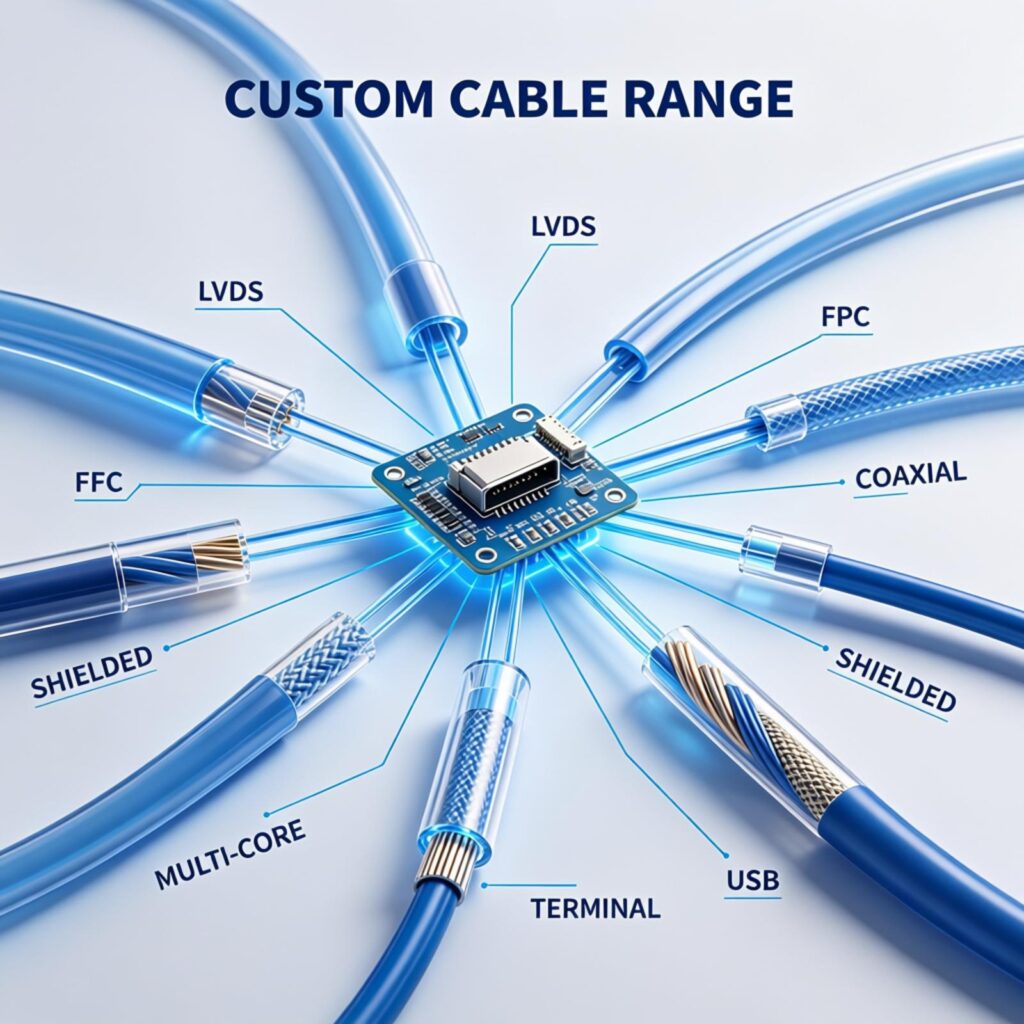
want to see more custom? click picture below!
Not multiple cables — one cable that does it all.


Author

xl885479@gmail.com